


Urgent steps to reduce energy use

The European conflict has caused an energy crisis at a scale not seen in almost 50 years, severely impacting governments, businesses, and households. With energy costs potentially doubling and experts predicting a multiyear crisis, immediate action is required. To close the efficiency gap, you must quickly reduce your consumption, peak demand, and costs.
What steps should you take? Using proven strategies and technologies, we recommend three emergency measures to prepare for this winter while positioning your facilities for greater efficiency in the future.
The energy crisis in numbers
60%
10x
50%
80%


How will the energy crisis impact you?

While this winter will be challenging, experts predict the energy crisis will continue long into 2023 and beyond. The high and increasing demand for energy coupled with a restricted supply has led some experts to conclude that this crisis could impact residential and commercial users for several years.5

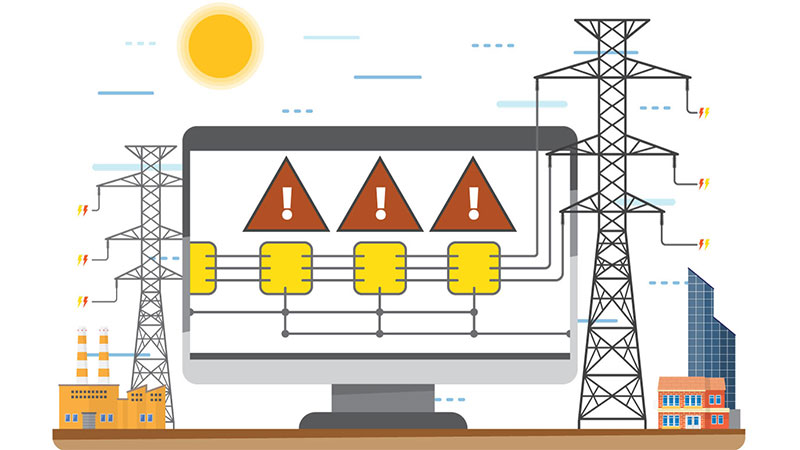
What can you do to combat the energy crisis?
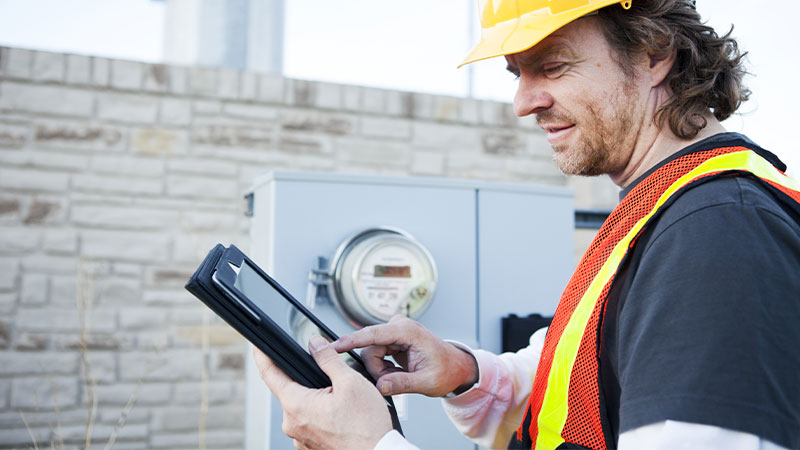
If you do not have an energy management system (EMS), you are missing the critical, detailed data needed to manage energy savings.
Here is what to do next:
- Assess facilities to determine needs
- Install an energy metering system
- Connect energy monitoring and control


What have we done?
What have we done?
One of the UK’s largest universities uses EcoStruxure™ Building Operation for energy conservation solutions to improve campus operations and provide a more comfortable learning environment.
Using our approach, the university, by measuring and monitoring has realized ~15% energy and OpEx savings, ~30% in HVAC optimization through automation and control, and another ~15% by better decision-making and operational efficiencies.
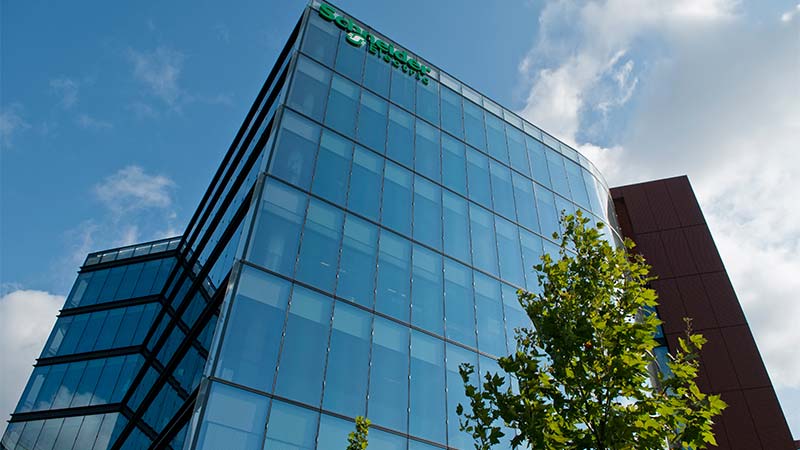
At our own Paris headquarters, we implemented this strategy. Measuring and monitoring save us up to 20% on our energy and OpEx costs. Automation and control have reduced our costs by as much as 40%, and using analytics to optimize an additional 20%.
Explore our energy crisis e-guide
Learn how you can take more control of your business’s energy consumption with our proven three-step approach to help reduce energy use and address energy waste, making your operations smarter and more efficient.
Explore our products, software, and services
- EcoStruxure Building Operation
-

EcoStruxure Building Operation
EcoStruxure Building Operation EcoStruxure™ Energy Hub -
EcoStruxure™ Energy Hub
EcoStruxure™ Energy Hub PowerLogic™ PowerTag Energy Sensors -
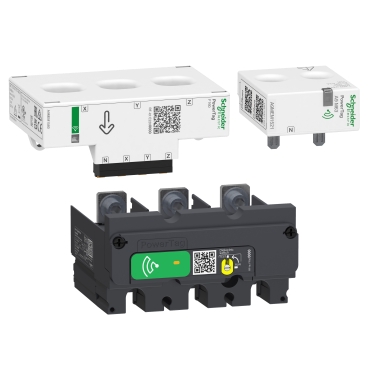
PowerLogic™ PowerTag Energy Sensors
PowerLogic™ PowerTag Energy Sensors EcoStruxure™ Power Monitoring Expert -
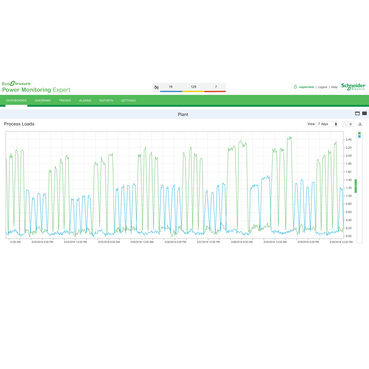
EcoStruxure™ Power Monitoring Expert
EcoStruxure™ Power Monitoring Expert EcoStruxure Asset Advisor -
EcoStruxure Asset Advisor
EcoStruxure Asset Advisor
1IMF, July 2022, “How a Russian natural gas cutoff could weigh on Europe’s economies”
2Foreign Policy, August 2022, “You have no idea how bad Europe's energy crisis is”
3European Commission, September 2022, “Questions and answers on an emergency intervention to address high energy prices”
4Eurostat, “Electricity prices for non-household consumers - bi-annual data (from 2007 onwards)”
5Foreign Policy, August 2022, “You have no idea how bad Europe’s energy crisis is”
6Bloomberg, August 2022, “European gas edges higher as energy crisis pounds region
7Baromètre OID, 2020
8EEC calculation method (BAT-TH-116) over the life of the product, 2021

What is causing the energy crisis in Europe?
Conflict in Europe is causing an energy crisis. It is impacting governments, businesses, and households. The natural gas supply contraction and, therefore, gas and energy price spikes is causing inflation that residential and commercial users haven’t experienced in decades. Energy disruptions and shortages can devastate European businesses causing temporary shutdowns, layoffs, and reduced hours.
How long will the energy crisis last?
The energy crisis in Europe started in the winter of 2022. Experts are predicting that it will last long into 2023 and beyond. With the increasing demand for energy and restricted supplies, we are facing a multiyear challenge. To solve the energy crisis, we need to close the efficiency gap and reduce consumption, peak demand, and energy costs.
How can I combat the energy crisis?
To overcome the energy crisis, we recommend introducing our three-step proven approach: installing an energy management system (EMS), adding or upgrading an existing building management system (BMS), and optimizing operations with integrated digital solutions that provide building analytics and reporting. These steps will help reduce energy consumption and costs while making your operations more efficient and sustainable.