


Low-voltage electrical distribution products and systems
From circuit breakers and buses to enclosures, panel boards and switchboards, we offer a full range of safe, reliable solutions for low-voltage electrical distribution applications.
Explore our low-voltage product categories
- Busway Trunking and Cable Management

Busway Trunking and Cable Management
Busway Trunking and Cable Management Power Circuit breakers and Switches 
Power Circuit breakers and Switches
Power Circuit breakers and Switches AVEVA™ Plant SCADA 
AVEVA™ Plant SCADA
AVEVA™ Plant SCADA Din rail modular devices 
Din rail modular devices
Din rail modular devices Motor Starters 
Motor Starters
Motor Starters Power Meters and Energy Monitoring System 
Power Meters and Energy Monitoring System
Power Meters and Energy Monitoring System Power Quality and Power Factor Correction 
Power Quality and Power Factor Correction
Power Quality and Power Factor Correction Pushbuttons-Switches-Pilot Lights-Control stations and Joysticks 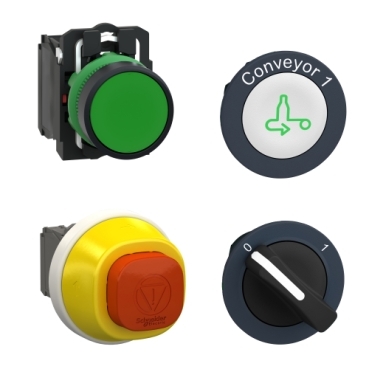
Pushbuttons-Switches-Pilot Lights-Control stations and Joysticks
Pushbuttons-Switches-Pilot Lights-Control stations and Joysticks Software 
Software
Software Surge Protection and Power Conditioning 
Surge Protection and Power Conditioning
Surge Protection and Power Conditioning Electrical Panelboards and Switchboards 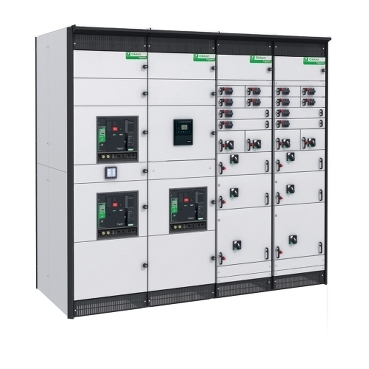
Electrical Panelboards and Switchboards
Electrical Panelboards and Switchboards
Featured low-voltage electrical distribution products
ComPact NSX & NSXm
Moulded case circuit breakers from 16A to 630A
Learn more about ComPact NSX & NSXm

Powering into the digital future... today
Whether you design, build, operate or service buildings or critical facilities, discover four ways to manage today's new power distribution model in our complimentary e-guide.
Featured software and services
Customer Success Stories
Customer Success Stories
You might also be interested in:
EcoStruxure Power
Thrive in an all-electric and digital world. Improve every aspect of your power distribution system with our IoT-connected solutions.
Discover EcoStruxure PowerSmart Panels
Monitor power distribution, anticipate needs, pinpoint concerns and control assets remotely.
Discover Smart PanelsPartner Programme
Access dedicated software, tools and educational resources on the latest trends to win more business.
Explore our Partner ProgrammeElectrical Installation Guide
Our comprehensive guidance on low-voltage electrical installations according to the IEC 60364 series.
Get advice on electrical installations


Need help?
Product Selector
Quickly and easily find the right products and accessories for your applications.
Get a Quote
Start your sales enquiry online and an expert will connect with you.
Where to buy?
Easily find the nearest Schneider Electric distributor in your location.
Help Centre
Find support resources for all your needs, in one place.
1. What is a low-voltage electrical distribution system?
A low-voltage electrical distribution system consists of devices like panelboards, distribution boards, moulded case circuit breakers, busways, and switches. These devices safeguard electrical circuits and switch electrical energy. This system is a part of electric energy distribution and transports power from distribution transformers to the electricity metres. According to their unique requirements, multi-family residential complexes, industrial sites, and commercial buildings use such distribution systems to cut off or control their electrical supply.
2. What are low-voltage products?
Low-voltage electrical distribution products are products that use less than or equal to 50 volts of electricity. The most common voltages are 12 V, 28 V, or 48 V. Some common examples of low-voltage electrical distribution products are doorbells, landscape lights, and security sensors. Schneider Electric offers safe and reliable low-voltage electrical distribution products like circuit breakers, buses, enclosures, panelboards, and switchboards.
3. How to design a low-voltage power distribution system?
Most of the differences in the design and layout of low-voltage networks are determined by the nominal voltage of the network since the low voltage distributes electrical energy to the broadest class of end consumers. Therefore, the main concern in designing a low-power distribution system is the safety of consumers when handling electrical devices and protecting them. An earthing system in combination with protective devices such as fuses and residual current protective devices must be installed to ensure that a person doesn't come into contact with a metallic object. Especially, an object whose potential is relative to the person's potential (which in turn is equal to the earth potential, unless insulating mats are used) exceeds a "safe" threshold, generally set to around 50V. Schneider Electric can help you design safe and reliable low voltage power distribution systems with their state-of-the-art solutions.
4. What is a low-voltage distribution system used for?
A low-voltage distribution system delivers electrical power safely and efficiently to homes, businesses, and industries. It distributes electricity at lower voltages, making it ideal for lighting, appliances, and equipment that require controlled power supply.
5. How does earthing affect low-voltage distribution systems?
Earthing in low-voltage distribution systems improves safety by preventing electric shocks and protecting equipment. It ensures fault currents flow safely to the ground, reducing risks of fire, damage, and system failures in electrical networks.
6. What industries benefit most from low-voltage distribution systems?
Industries like manufacturing, healthcare, commercial buildings, and data centres rely on low-voltage distribution systems for efficient, safe, and reliable power delivery to their operations.
7. What are the benefits of low voltage electrical systems?
Low voltage electrical systems enhance safety, energy efficiency, and operational reliability. They support effective power distribution, help protect equipment, reduce maintenance requirements, and provide greater control over electrical infrastructure.
8. How do low voltage products improve operational efficiency?
Low voltage products improve operational efficiency through reliable power distribution, equipment protection, and real-time monitoring capabilities. They help minimize downtime, optimize energy usage, and support smoother day-to-day operations.
9. Where are low voltage solutions commonly used?
Low voltage solutions are widely used in commercial buildings, industrial facilities, data centers, infrastructure projects, healthcare facilities, and residential developments where safe and efficient power management is essential.
10. Why are low voltage products important for electrical safety?
Low voltage products play a key role in electrical safety by helping prevent overloads, short circuits, and electrical faults. They protect people, equipment, and systems while supporting compliance with safety standards and regulations.