

From AI to smart grids, discover how technology drives sustainable resource use, cuts emissions, and boosts efficiency
From AI to smart grids, discover how technology drives sustainable resource use, cuts emissions, and boosts efficiency

Driving environmental sustainability through technological innovation in resource management

Environmental sustainability in resource management refers to the responsible use and conservation of natural resources to meet current needs without compromising the needs of future generations. It involves balancing economic growth with ecological preservation through efficient planning, reduced waste, and minimised environmental impact.
The integration of technological innovation plays a pivotal role in achieving these goals, enhancing visibility, control, and optimisation across water, energy, and material consumption cycles.
Key technologies driving environmental sustainability
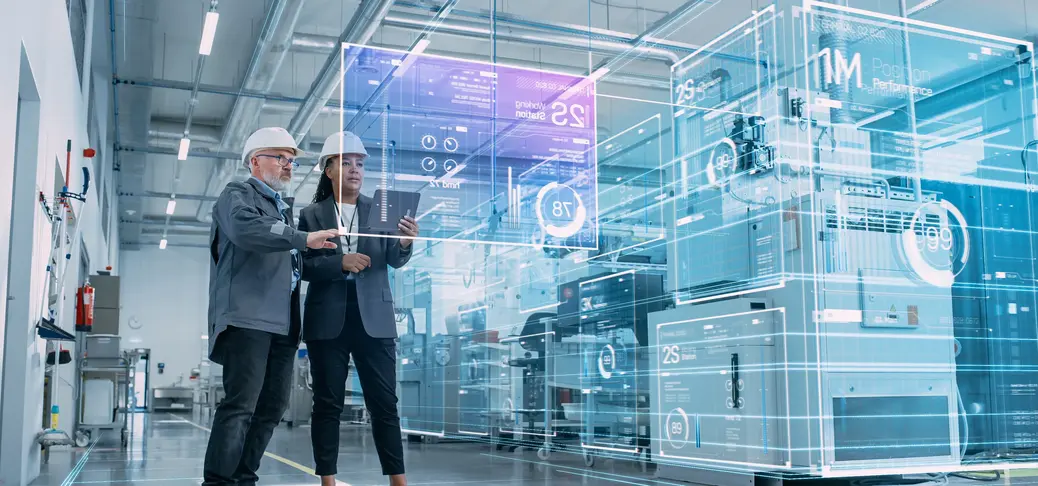
From smart grids and IoT-based monitoring systems to AI-powered analytics, technological innovation is transforming how industries approach environmental sustainability. These tools enable
- Real-time decision-making for resource use
- Predictive maintenance to reduce downtime and resource waste
- Automation that optimise and reduce consumption
Schneider Electric's EcoStruxure™ set of solutions, tailored for Homes, Buildings, Data Centres, Infrastructure and Industries, is an example of how digital transformation can support efficient resource management, helping organisations meet sustainability goals while maintaining operational reliability and cost-effectiveness.
Benefits of technological innovation for sustainable resource use

Adopting advanced technologies in resource management delivers measurable benefits, including optimised resource management, lower energy consumption, reduced emissions, and cost savings. It also enhances compliance with environmental regulations and improves the brand's reputation.
Most importantly, technological innovation enables accelerated progress towards long-term environmental sustainability, ensuring that resource efficiency becomes a core part of organisational performance.
Proven impact: Blackstone's sustainability transformation
The Challenge
As one of the world's largest private equity firms ($365B+ in assets), Blackstone needed to:
- Manage energy spend across a global, multi-industry portfolio.
- Standardise sustainability data collection for actionable insights.
Don Anderson, Chief Sustainability Officer at Blackstone, said, "We're data-driven. I need consistent, location-agnostic metrics to make decisions."
The Solution
Blackstone partnered with Schneider Electric to deploy:
- EcoStruxure Resource Advisor: Cloud-based platform to aggregate and normalise utility data.
- Energy & Sustainability Services: Dedicated consultants to translate data into efficiency strategies.
Key Outcomes
- $10M+ in energy savings from strategic sourcing and efficiency programmes.
- Active energy management across 20+ portfolio companies.
Sector-specific scorecards to track KPIs and drive participation.
Innovative practices for sustainable resource management
Industries are embracing data-driven models, automation, and closed-loop systems for smarter resource management. Water reuse, renewable integration, and waste-to-energy conversion are leading innovations in this space. Schneider Electric continues to transform its own operations and support organisations, with scalable digital solutions that enable more sustainable operations without compromising productivity or resilience.
Schneider Electric leads by example: Wuhan Lighthouse Factory
Schneider doesn't just advise on sustainability—we live it. Our Wuhan factory (a WEF-recognised Sustainability Lighthouse) demonstrates how innovation delivers radical efficiency.
- AI-Powered Eco-Design: Reduced material waste by 25% in production.
- Closed-Loop CO₂ Tracking: Real-time emissions monitoring with suppliers (cut Scope 3 by 65%).
- Machine Learning Optimisation: Slashed energy use by 18% via predictive adjustments.
- Circular Business Models: Partnered with customers to repurpose 100% of manufacturing byproducts.
- 90% reduction in Scope 1 & 2 emissions.
- 15% less water use through smart recycling.
- Zero waste to landfill.
By scaling these solutions globally, Schneider empowers organisations to decarbonise without compromising resilience.
The role of businesses and governments

To advance environmental sustainability, both businesses and governments must collaborate on setting clear decarbonisation goals, incentivising virtuous practices, and adopting supportive technologies.
Regulations, public-private partnerships, and cross-sector innovation are critical to scaling sustainable solutions and ensuring that technological innovation is accessible, impactful, and aligned with national and global climate commitments.
Schneider Electric on unlocking IRA incentives
The U.S. Inflation Reduction Act (IRA) has emerged as a transformative tool for clean energy adoption. Schneider Electric has pioneered its use, facilitating $1.7 billion in tax credit transfers since 2023 to help companies invest in:
- Renewable energy projects (solar, wind).
- Battery storage systems.
- Clean manufacturing technologies.
How it works
The IRA's transferability clause allows companies to:
- Sell unused tax credits to third parties (e.g., Schneider) for upfront capital.
- Procure renewable energy without complex tax equity structures.
- Accelerate Scope 2 decarbonisation by bundling credits with environmental attributes.
Proven impact: Schneider Electric and ENGIE's landmark deal
In 2024, Schneider partnered with ENGIE North America to invest in a Texas-based solar-plus-storage portfolio through a Tax Credit Transfer Agreement (TCTA). This deal:
- Advances Schneider's 100% renewable energy goal in North America.
- Demonstrates the IRA's role in simplifying corporate clean energy procurement.
- Expands access to renewables for businesses lacking tax appetite.
This pioneering deal with ENGIE underscores how innovative financial mechanisms are not just accelerating Schneider's renewable energy transition but are actively reshaping the landscape for corporate clean energy investment, opening doors for companies nationwide.
It is a powerful testament to the IRA's transformative potential, accelerating Schneider's clean energy goals whilst paving a simpler, more accessible path for corporate renewable adoption across North America.
