


Unlocking clean energy through grid innovation

At a time when renewable energy sources such as wind, solar, and energy storage are being used more and more, and a traditional energy grid is being challenged in ways it was never designed to handle, like with so many more Distributed Energy Resources (DERs) – Schneider Electric commits to providing innovative solutions to enable a smarter, more resilient and efficient energy grid leveraging new grid edge technologies and digital interoperability.
To unlock the potential of clean energy, grid infrastructure must be transformed to ensure that it can efficiently and robustly manage renewable energy, provide real-time insights, and optimise energy consumption.
Clean Energy for Sustainable Livelihood

At Schneider Electric, green energy empowers communities, with women leading innovation to drive food security and economic growth.
Net-zero with digital tech and clean energy
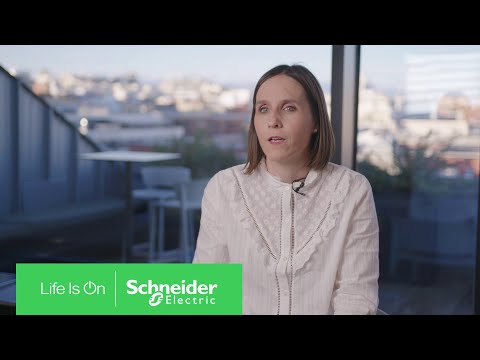
See how Schneider Electric drives net-zero progress through smart tech and clean energy solutions.
The challenges facing traditional grids
For decades, energy grids were designed with a singular flow of electricity from centralised power plants directly to consumers. However, the rise of Distributed Energy Resources (DERs) and renewable energy sources has disrupted this traditional approach, demanding a more dynamic, and flexible grid system. To address these complexities, we offer solutions that modernise the grid, enabling utilities to integrate renewable energy sources more effectively while improving grid reliability.

One-way energy flow
Traditional grids were built for a single-direction flow of electricity. This system is now being challenged as energy is generated and consumed at multiple points across the grid.

Renewable energy variability
Solar and wind energy, being intermittent, make it harder to balance supply and demand in real-time, presenting a challenge to optimised grid management.
Flexibility requirements
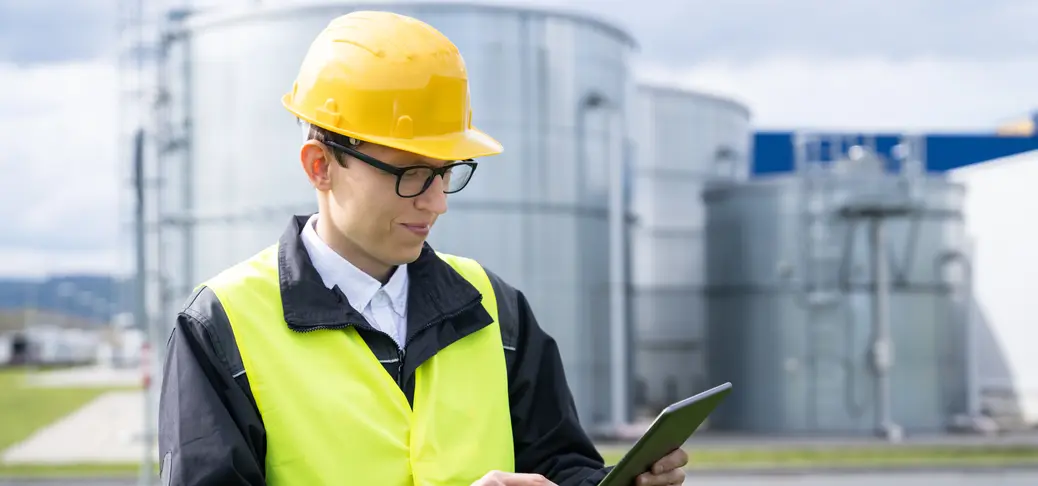
While the integration of renewable energy necessitates a grid that is adaptable and capable of accommodating variable energy flows, it is also important to consider the role of stable baseload generation in ensuring long-term grid stability and reliability.
Learn more about our solutions
What are grid edge technologies?
The shift towards a more decentralised energy system requires advanced technologies to manage and optimise energy generation and consumption. Our grid edge technologies bring intelligence to the edge of the grid, providing greater control and visibility to both utilities and prosumers – those that both produce and consume their own energy.
Key technologies include:
- Smart metres and sensors: These devices gather near real-time data, allowing utilities to monitor and optimise energy use across the grid. This real-time insight is helpful in making smarter decisions about energy use, reducing inefficiencies and increasing robustness.
- Distributed Energy Resources (DERs): These include solar panels, electric vehicles, heat pumps, and battery energy storage systems located at the point of use, and also wind and solar plants. They help decentralise energy production, storage and consumption, improving the resilience and sustainability of the grid.
- Advanced control systems: The systems that help manage energy flows, balance supply and demand, and respond to dynamic energy conditions in real-time.
- Microgrids: Microgrids offer localised energy solutions that can operate independently or in conjunction with the main grid. This enhances energy resilience in specific regions.
Need help?
Product Selector
Quickly and easily find the right products and accessories for your applications.
Get a Quote
Start your sales enquiry online and an expert will connect with you.
Where to buy?
Easily find the nearest Schneider Electric distributor in your location.
Help Centre
Find support resources for all your needs, in one place.
What is clean energy?
Clean energy refers to power generated from renewable, low-carbon sources that reduce environmental impact. Schneider Electric supports clean energy adoption with efficient technologies that help organizations cut emissions, optimize energy use, and move toward more sustainable, resilient operations.
Why is clean energy important for India?
Clean energy is vital for India because it reduces emissions, improves energy security, and supports sustainable economic growth. As demand rises, Schneider Electric enables this transition with digital technologies that help organizations use cleaner power and build resilient infrastructure.
How does clean energy support sustainability goals?
Clean energy supports sustainability goals by lowering carbon emissions, reducing reliance on fossil fuels, and improving energy efficiency. Schneider Electric speeds this shift with digital solutions that help organizations track usage, optimize performance, and meet their environmental commitments.
What are the key benefits of clean energy solutions?
Clean energy solutions reduce emissions, improve efficiency, and lower long-term energy costs. They provide reliable, low-carbon power that supports sustainability goals. Schneider Electric enables these benefits with digital technologies that optimize energy use and strengthen overall performance.
How can businesses transition to clean energy?
Businesses can transition to clean energy by adopting renewable power and using digital tools to track and optimize consumption. Schneider Electric supports this shift with smart energy management, microgrids, and sustainable technologies that help organizations reduce emissions and costs.
How does Schneider Electric India support clean energy adoption?
Schneider Electric India supports clean energy adoption by delivering digital energy management, automation, and renewable-ready solutions. Its technologies help businesses optimize consumption, lower emissions, integrate solar and microgrids, and build efficient, resilient, sustainable operations.
What role does digitalization play in clean energy management?
Digitalization plays a crucial role in clean energy management by providing real-time data, automation, and analytics to optimize energy use. Schneider Electric enables this with smart platforms that track consumption, improve efficiency, integrate renewables, and support more sustainable operations.