


Smart Machines Safety
Meeting the standards
Explore machine safety and the changes in standards for the design of safety-related control systems.

Smart Machines Designed for Safety and Reliability
Our smart machines combine IIoT connectivity, intelligent automation, and built-in safety to help manufacturers improve operational efficiency and reliability. Real-time machine data provides visibility into performance, helping teams identify risks and address issues before they impact productivity. Intelligent automation and predictive maintenance reduce unplanned downtime and support decisions. By integrating safety into machine control, our solutions help protect workers, improve machine reliability, and support safer, efficient, and future-ready industrial operations. Health and safety, machine reliability, efficiency, and productivity are essential across industrial environments. Smart machines combine intelligent automation, Industrial IoT (IIoT), and connected systems to improve safety and operational performance. Real-time data and predictive maintenance help identify risks early, reduce downtime, and optimize operations. Integrated safety features also help protect workers and support compliance with safety standards.
Health and safety, machine reliability, efficiency, and productivity are essential across industrial environments. Smart machines combine intelligent automation, Industrial IoT (IIoT), and connected systems to improve safety and operational performance. Real-time data and predictive maintenance help identify risks early, reduce downtime, and optimize operations. Integrated safety features also help protect workers and support compliance with safety standards.
Safe and reliable machines
Health and safety protection and ensuring maximum efficiency and productivity is crucial across all market segments. Moreover, implementing smart solutions is key to make your machines safe.

Extensive machine safety portfolio
Whether it's a simple or complex machine, we offer a comprehensive and scalable solution.

Reduced machine downtime
View data on the status or diagnostics for a function module or embedded safety solution.

Safety regulatory compliance
Our safety devices and standards ease regulatory compliance and machine certification.

Ready to use certified architectures
Machine lifecycle support with risk assessment, validation, and maintenance solutions.
Our portfolio of safe machine solutions
Discover the offer of products and services ensuring machinery safety.
Our safe machine solutions are designed to meet the evolving needs of modern manufacturing. By integrating safety technologies with advanced control systems, we help build smart machines that are not only intelligent but also secure. These machines enhance productivity, ensure compliance, and adapt in real time; enabling safer, smarter, and more efficient industrial environments.
Catalogue
Safety chain solutions and safety functions catalogue
Learn more about our certified safety chain solutions for your machine application to reduce time-to-market.
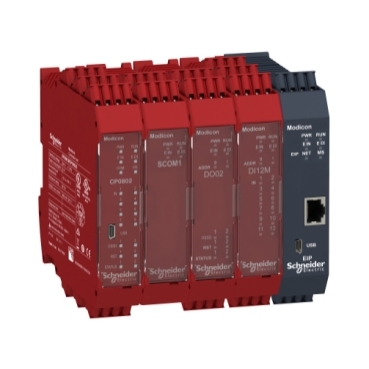
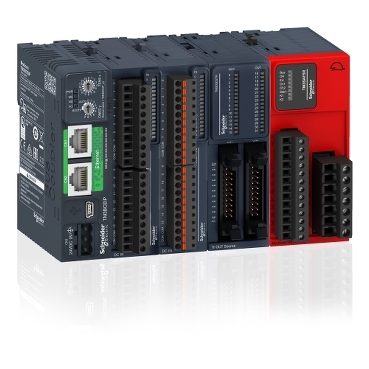
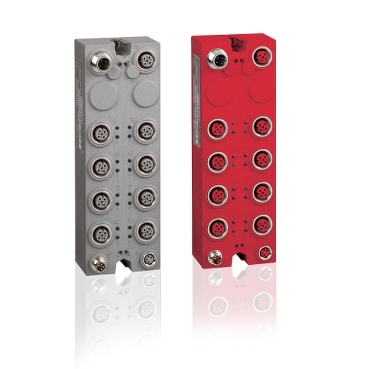
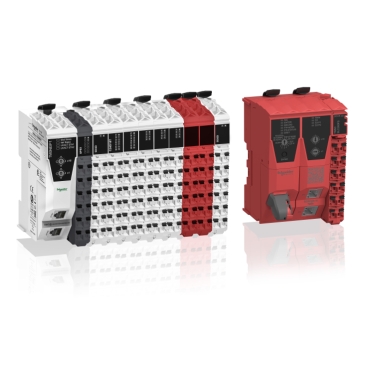
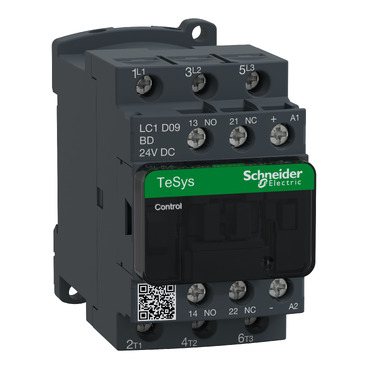
Machine control solutions
Explore our range of smart machine control solutions including packaging systems, smart conveying systems, material working machines, and cranes and hoists.
Explore smart machine control solutions for packaging, material handling, processing, and hoisting. Intelligent control links automation with efficiency and flexibility, helping manufacturers adapt to production needs. Real-time insights deliver visibility into performance, enabling teams to optimize processes and make informed decisions for more productive operations.
Smart machines control solutions
Our smart machine control solutions deliver accurate, responsive, and scalable control across industrial applications. They improve productivity and performance through real-time monitoring, remote access, and analytics. Connected systems provide visibility to track performance, identify issues, and optimize processes. Integration with digital manufacturing ecosystems supports smarter automation, predictive insights, and efficient operations across connected production environments.


Services
OEM machine safety services
Machine builders need to maximise safety while balancing costs, productivity and changing needs, while meeting standards and regulations.
Partner programme
Join our OEM Partner Portal
Boost your machine business efficiency with updates on latest market trends, promotions, trainings, and technical support. Register on our portal to get free access to 24/7 online tools and resources.
Insights on machine safety
Discover our latest insights on machine safety in white papers, safety guides and in our Industry Services Academy.


Need help?
Product Selector
Quickly and easily find the right products and accessories for your applications.
Get a Quote
Start your sales enquiry online and an expert will connect with you.
Where to buy?
Easily find the nearest Schneider Electric distributor in your location.
Help Centre
Find support resources for all your needs, in one place.
What are smart machines and how do they enhance machine safety?
Smart machines use sensors, embedded intelligence, and automated control to improve both performance and protection in industrial environments. These smart machines continually monitor speed, load, temperature, and operator interaction to reduce risks. By detecting unsafe conditions early, they trigger automatic responses such as controlled stops or alerts. Smart machines enhance safety through real-time visibility, consistent logic-based decisions, and improved compliance with modern safety standards.
How do smart machines differ from traditional machines in industrial operations?
Smart machines differ from traditional machines by using connected sensors, onboard analytics, and adaptive control to make informed decisions. While conventional equipment relies heavily on manual oversight, smart machines analyse operating conditions and adjust performance automatically. They share data across systems, support diagnostics, and integrate with digital platforms. This makes smart machines more reliable, efficient, and responsive, allowing industrial operations to run with greater accuracy and reduced downtime.
What safety features should I look for in smart machines?
Key safety features in smart machines include safety-rated sensors, emergency stop systems, automated shutdown logic, and continuous condition monitoring. Smart machines also offer overload protection, safe-speed control, zone-based access management, and built-in diagnostics that detect abnormal patterns. These features help prevent accidents, protect operators, and maintain safe operating ranges. By combining intelligent sensing with automated decision-making, smart machines provide stronger and more consistent safety performance.
How can smart machines support real-time diagnostics and predictive maintenance?
Smart machines gather data from sensors and controllers to detect performance changes instantly. This enables real-time diagnostics that alert teams to issues before they escalate. With analytics and trend monitoring, smart machines predict component wear, identify inefficiencies, and recommend timely interventions. This predictive approach reduces unexpected failures, extends equipment life, and improves planning accuracy. Smart machines help industries shift from reactive maintenance to smarter, proactive upkeep.
How do smart machines integrate into a connected manufacturing environment?
Smart machines integrate into connected manufacturing environments through industrial networks, cloud platforms, and edge devices that share data continuously. These smart machines communicate with production systems, quality tools, and maintenance platforms to enable synchronized operations. By providing real-time insights and seamless interoperability, smart machines support automated workflows, faster decision-making, and improved efficiency. Their connectivity allows factories to operate as unified, intelligent, and data-driven ecosystems.
What are smart machines in industrial automation?
At the heart of industrial automation, smart machines combine connected sensors, intelligent control, IIoT, and automation to monitor and optimise performance. They provide real-time insights, support predictive maintenance, improve productivity, and enable safer, flexible manufacturing processes.
How do smart machines improve manufacturing efficiency?
Manufacturing efficiency improves when connected machines use real-time data to optimise production and performance. Automated monitoring can identify issues early, reduce downtime, support predictive maintenance, while visibility helps improve productivity, flexibility, and operational efficiency.
What technologies are used in smart machines?
Smart machines use PLCs, industrial sensors, motion controllers, HMIs, robotics, IIoT gateways, and edge computing. These technologies connect machine components, process data locally, enable precise control, and support communication between equipment and digital systems.
How do smart machines support predictive maintenance?
Predictive maintenance uses machine data, sensors, and analytics to track equipment health and detect performance changes. By identifying early signs of wear or faults, connected systems help teams plan maintenance proactively, reduce unplanned downtime, extend asset life, and improve reliability.
What are the benefits of connected smart machines?
Connected smart machines offer visibility into performance, enabling remote monitoring and data-driven decisions. They help improve productivity, optimise processes, reduce downtime, support predictive maintenance, enhance flexibility, and connect equipment across global manufacturing systems.
How do smart machines support Industry 4.0 initiatives?
Industry 4.0 initiatives rely on connected machines that bring automation, data, and intelligent control together. Smart machines enable real-time data exchange, remote monitoring, and analytics to optimise processes, improve productivity, reduce downtime, and create flexible, safer operations.