

Ranges
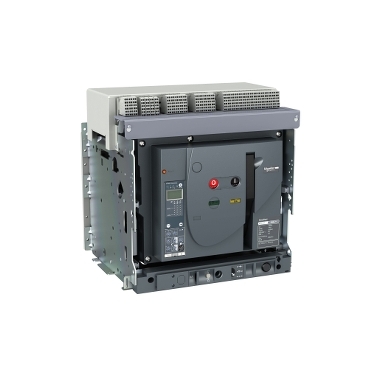
EasyPact MVS
High current air circuit breakers up to 4000 A EasyPact MVS is a range of LV power circuit breakers and switch-disconnectors designed to optimize cost and contribute to the safety and reliable performance of your electrical distribution network. The solution covers ratings from 800 to 4000 A in one single frame size.Part of Easy SeriesView Products Launch Product Selector 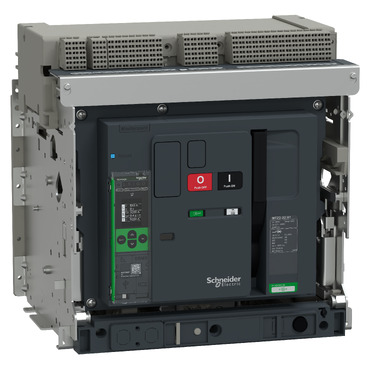
MasterPacT MTZ Active
Reliable and high-performance circuit breakers to protect lines up to 6300 A Air circuit breakers setting new benchmarks for safety, efficiency, and sustainability ; helping to meet your daily challenges such as 24/7 uptime demands, and spiraling energy costs in an electrically-driven and digitized world.Part of PacT SeriesView Products Launch Product Selector 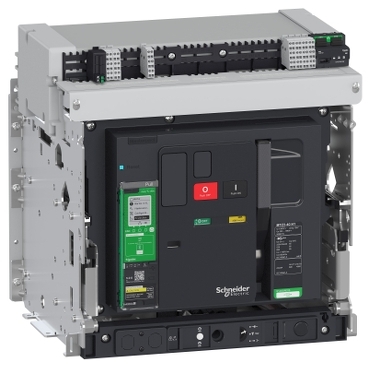
MasterPact MTZ
Circuit breakers to protect lines up to 6300 A, offering advanced digital features Future Ready Masterpact MTZ is a comprehensive range of air circuit breakers designed to protect electrical systems from damage caused by overloads, short circuits and equipment ground faults. Masterpact MTZ embeds advanced digital technologies and Micrologic X control units helping to contribute to safety and energy efficiency.Part of PacT SeriesView Products Launch Product Selector 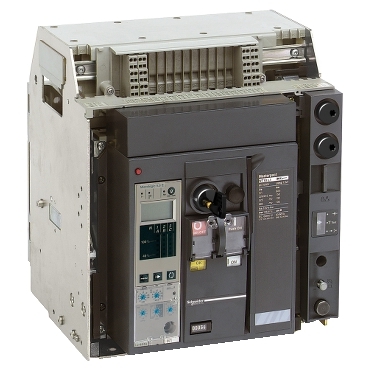
MasterPact NT
Circuit breakers to protect lines up to 1600 A, in a compact frame Masterpact NT is a comprehensive range of air circuit breakers designed to protect electrical systems from damage caused by overloads, short circuits and equipment ground faults. Embedding Micrologic control units, it contributes to safety and energy efficiency. The range covers ratings from 630 to 1600 A in one unique compact size.Part of PacT SeriesView Products Launch Product Selector 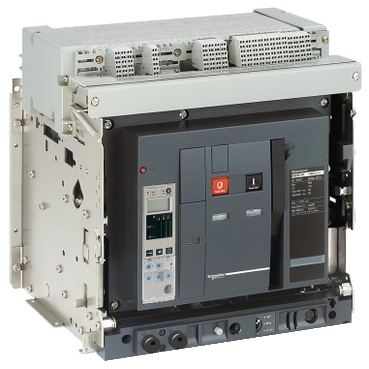
MasterPact NW
Circuit breakers to protect lines up to 6300 A Masterpact NW is a comprehensive range of air circuit breakers designed to protect electrical systems from damage caused by overloads, short circuits and equipment ground faults. Embedding Micrologic control units, it contributes to safety and energy efficiency. The range covers ratings from 800 to 6300 A in two different sizes.Part of PacT SeriesView Products Launch Product Selector 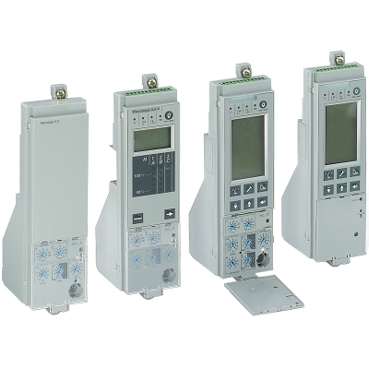
MicroLogic
Electronic control units for Masterpact NT/NW /UR and for Compact NS Micrologic control units offer enhanced electronic circuit protection with comprehensive, integrated measurement, preventive and predictive maintenance. Micrologic control units are designed for use in both Compact NS and Masterpact NT, NW and UR circuit breakers to cover ratings up to 6300 A.Part of PacT SeriesView Products