


EcoStruxure™ Microgrids
Microgrids provide resilient, sustainable, and efficient energy solutions by leveraging onsite renewable generation with smart grid resources for better connectivity, decarbonisation, and access to energy.
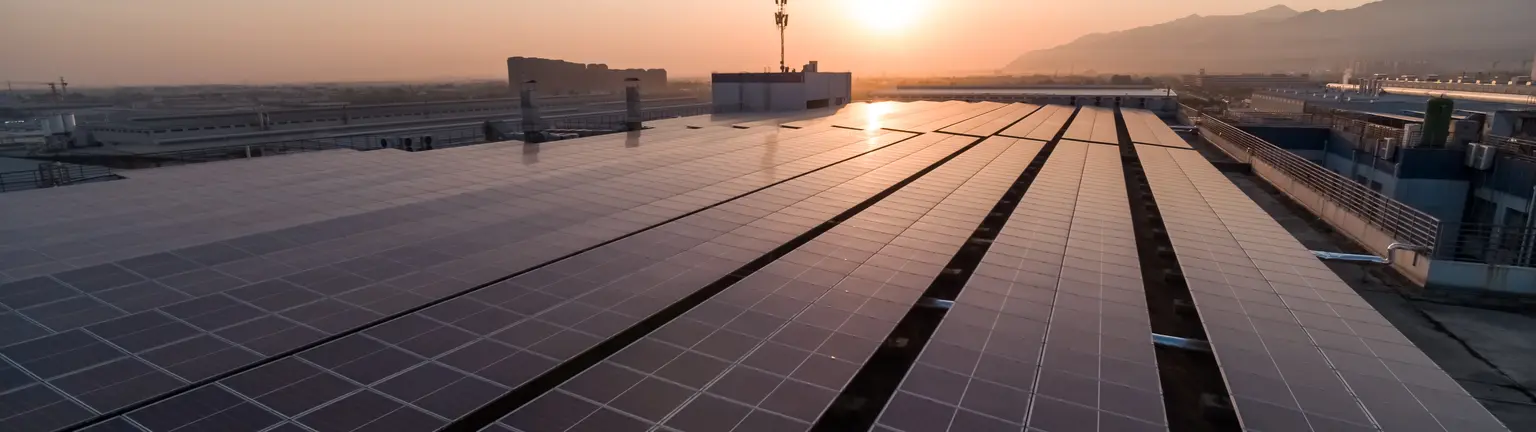

A microgrid is a self-contained electrical network that can operate either connected to the utility grid or in an independent "island" mode. This capability allows you to generate your own electricity on-site and use it as needed.
By incorporating distributed energy resources (DER), a microgrid can help save on energy costs by sending excess electricity back to the grid during peak demand. This not only improves reliability but also optimises energy management.
How do microgrids work?
Microgrids utilise battery systems to store electricity generated on-site, offering a more efficient alternative to traditional power systems. They can deliver stored electricity during outages or when demand on the grid surges. These microgrids typically combine backup diesel generators with renewable energy sources, such as solar panels.Who benefits from a microgrid?
Microgrids can now be used in remote areas with limited or no energy access. Various organisations, including municipal governments, airports, military bases, nature preserves, and vertical farms, can benefit from microgrids.What does a microgrid cost?
The cost of microgrids varies based on their complexity and size. Microgrids operate under both the OpEx model in the EaaS framework and the CapEx model, depending on applicable local government policies.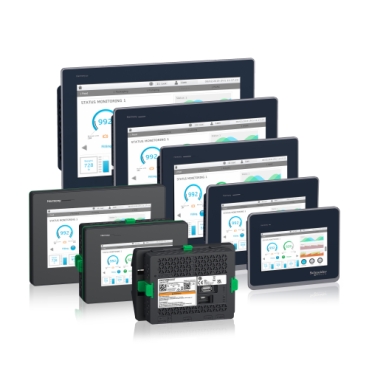
Learn how businesses today can produce, consume, and control their own energy.

Daughters of Mary
This community healthcare facility ensures 24/7 patient care with our microgrid solution.South Australian Produce Market
This produce market uses our microgrid solutions as part of its ambitious sustainability goals.Brookville Bus Depot
This transit system near Washington D.C. is fuelled by an electric vehicle fleet and our microgrid solution.Lippulaiva
This urban centres in Finland is one of the most sustainable in Europe thanks in part to our solutions.Explore our latest insights on Microgrids
Ten game-changing microgrid trends
Amidst rapid innovation, we explore ten trends shaping the future of microgrids.

Microgrids: Ten key questions answered
Get answers to ten key questions on why and how microgrids are essential.

How battery storage impacts microgrids
Learn how on-site battery energy storage systems maximise the impact of microgrids.

Maximise decarbonisation and cut costs
Discover technologies driving the transformation to grid-interactive buildings.

Microgrids and virtual power plants
Microgrids and VPPs combine for a more reliable and cost-effective infrastructure.

Drive business strategy with microgrids
Learn how to incorporate microgrids as part of your business strategy.
Explore our latest insights on Microgrids
Ten game-changing microgrid trends
Amidst rapid innovation, we explore ten trends shaping the future of microgrids.
Microgrids: Ten key questions answered
Get answers to ten key questions on why and how microgrids are essential.
How battery storage impacts microgrids
Learn how on-site battery energy storage systems maximise the impact of microgrids.
Maximise decarbonisation and cut costs
Discover technologies driving the transformation to grid-interactive buildings.
Microgrids and virtual power plants
Microgrids and VPPs combine for a more reliable and cost-effective infrastructure.
Drive business strategy with microgrids
Learn how to incorporate microgrids as part of your business strategy.

Buildings of the Future
Go all-digital and all-electric for more sustainable, resilient, efficient, and...

EcoStruxure for eMobility
Reach a net-zero future by integrating our all-electric mobility solutions with...

Access to Energy
We're helping communities that lack access to energy with our off-grid...
Need help?
Product Selector
Quickly and easily find the right products and accessories for your applications.
Get a Quote
Start your sales enquiry online and an expert will connect with you.
Where to buy?
Easily find the nearest Schneider Electric distributor in your location.
Help Centre
Find support resources for all your needs, in one place.
1. Microgrid solutions from Schneider Electric
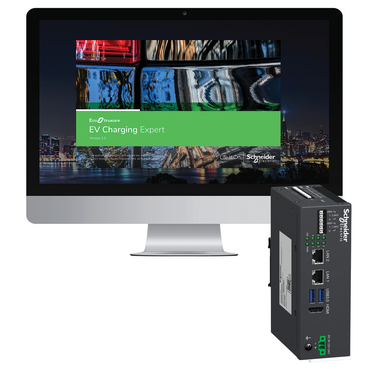
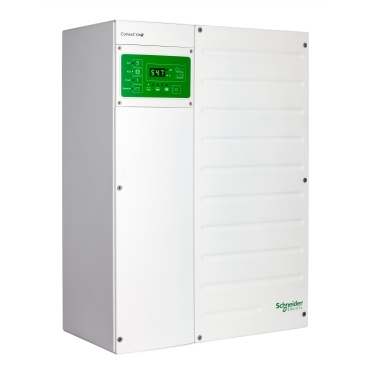
Schneider Electric offers efficient microgrid solutions based on a combination of Edge Control Systems, Connected Products, Applications, Analytics, and Services. Connected Products include Uninterruptible Power Supply (UPS), Grid-Tie String Inverters, and Hybrid Inverters. Applications, Analytics, and Services include EcoStruxure Microgrid Advisor and EcoStruxure Microgrid Operation, and Edge Control includes Harmony ST6 and EcoStruxure EV Charging Expert. We offer repeatable, scalable, and IoT-enabled microgrid solutions and end-to-end services, including electrical distribution services.
2. Different types of microgrids
Broadly speaking, there are three types of microgrids:
- Remote microgrids: These are also called off-grid microgrids. Remote microgrids can operate in island mode and be physically isolated from the utility grid in case of a lack of affordable and available transmissions or distribution infrastructure in the nearby area.
- Grid-connected microgrids: They have a physical connection to the utility grid through a switching mechanism at the point of common coupling (PCC); however, they can be disconnected into island mode and reconnected back to the main grid when required.
- Networked microgrids: These systems are also called nested microgrids and consist of several microgrids and separate DERs connected to the same utility grid circuit segment. They serve a wide geographic area.
3. Differences between a microgrid and a smart grid
Microgrids are different from smart grids. A microgrid is a self-sufficient and localised energy system serving a discrete geographic footprint, which may be a business centre, hospital complex, etc. It includes distributed energy sources and multiple loads, which can be operated parallelly with the broader utility grid. Smart grids, on the other hand, are electrical grids that operate on a larger scale and can regulate energy flows from generation points to consumption points. They include communication, automation, and IT systems.
4. Designing of a microgrid
Schneider Electric offers a ready-to-use solution to help you design a microgrid, regardless of the application. Our pre-engineered microgrid control centres have all the components you need for power management, control, energy metering, and power monitoring. In addition, our microgrid management software – EcoStruxure – offers pre-engineered algorithms to make the functions standardised and reliable.